
Add Allociné to your favorite sources
Imbued with a melancholic teenage nostalgia, this legendary music is among the most beautiful ever composed for film!
Joe Hisaishi, a favored composer of Hayao Miyazaki, has created scores for many films throughout his career, leaving a significant mark on the film industry. His work includes the poetic and wondrous melodies of “Kiki’s Delivery Service,” “Princess Mononoke,” and “Spirited Away.”
Additionally, Joe Hisaishi is renowned for his prolific collaboration with another legendary filmmaker from the Land of the Rising Sun: Takeshi Kitano. In 1996, the pair joined forces for the third time with “Kids Return,” a new melancholic and poetic piece by Kitano.
The Trials of Adolescence
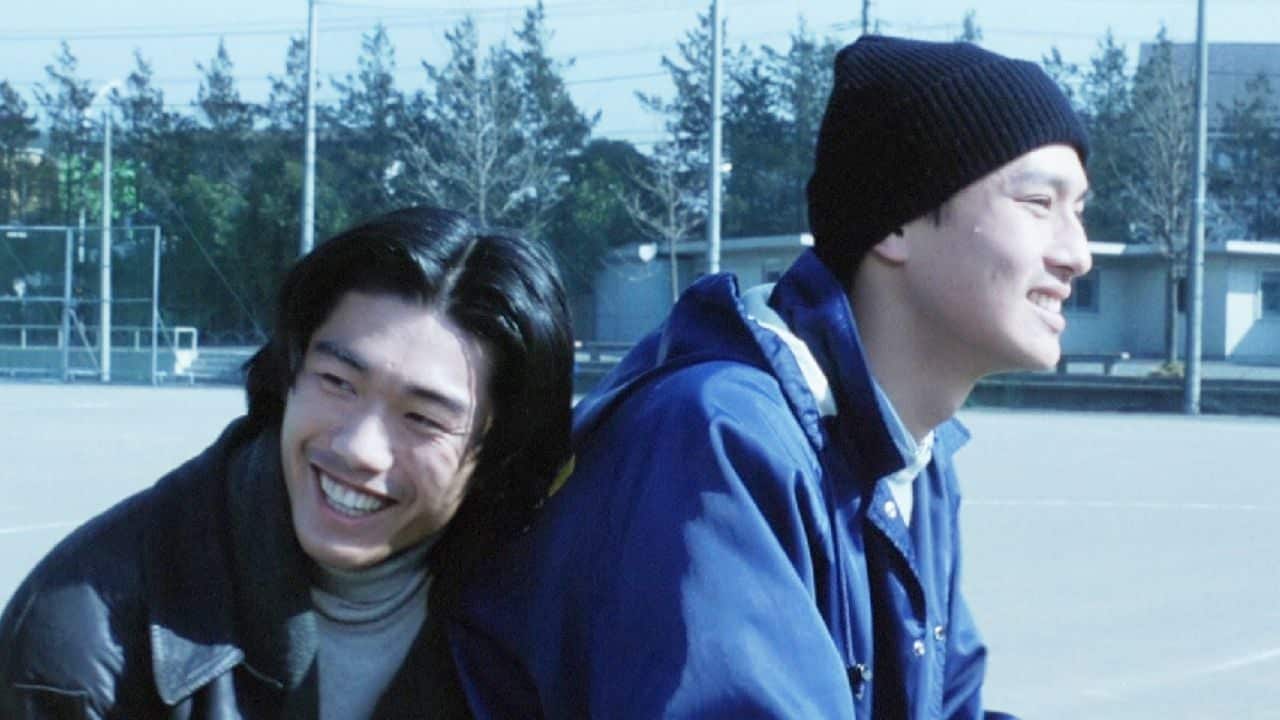
The story follows two friends, Masaru and Shinji; they spend their adolescence skipping school, roaming the streets, and challenging adults. One day, they discover boxing and see, for the first time, a chance to become somebody.
While Shinji displays genuine talent, Masaru seeks another path: that of the street and the yakuza. Gradually, their paths diverge, each pursuing a dream that seems within reach. However, in Kitano’s works, dreams do not always guarantee success.
Between fights, rivalries, humiliations, and fleeting moments of joy, the two boys experience the harshness of the adult world. With its quirky humor and silent melancholy, “Kids Return” depicts a youth unwilling to grow up.
The film tenderly observes these two kids eager to skip ahead in life, not knowing where it will lead them. Driven by Joe Hisaishi’s stunning music, Kitano crafts a narrative that is humorous, brutal, and deeply human.
And when Masaru and Shinji reunite, one question remains: is it truly the end… or just the beginning? If Kitano has perfectly captured the spirit of adolescence, with all its bitterness, he owes much of it to his faithful composer, Joe Hisaishi.
Hope and Melancholy
The musician’s melodies beautifully complement the film’s blend of youth, melancholy, and hope. Hisaishi’s main theme, instantly recognizable, is simple and bright, giving “Kids Return” a strong identity.
The piece primarily features a prominent piano that carries the melody with clarity. Around it, Hisaishi employs strings to add breadth and a more emotional dimension to the theme.
Light orchestration also gradually accompanies the melody, never becoming too imposing. The piano lends an intimate and almost childlike feel, while the strings slowly expand this sensation to something broader and more nostalgic.
This melody brilliantly evokes adolescence, having a quality that is both naive and carefree, yet tinged with a sense of nostalgia. Through this colorful composition, Joe Hisaishi masterfully captures all the emotions associated with this tumultuous and beautiful age.
Moreover, the music contrasts with Takeshi Kitano’s visuals. While the characters endure sometimes violent or absurd situations, the music often remains gentle and elegant. This contrast creates a unique emotional experience.
Youth in Motion
Furthermore, the main theme perfectly accompanies the idea of movement: the characters advance, search, fall, and start over. The music almost gives the impression that their lives continue despite their failures, avoiding melodrama.
Joe Hisaishi is not a composer who forces emotion. The music remains quite pure, allowing the scenes to breathe. The notes thus remain strongly associated with the friendship between Masaru and Shinji, without crossing the boundary and dictating what we should feel.
The theme seems to carry their complicity, as well as the nostalgia of what they were before their paths diverged. Ultimately, what makes this music particularly powerful is that it not only narrates what happens to the characters, but also seems to remember their youth on their behalf.
And this is likely why the final theme lingers long after the film: it transforms “Kids Return” into a memory, rather than just a simple coming-of-age story.
The melody thus possesses an almost carefree lightness, reminiscent of adolescence and the moments when everything still seems possible. But beneath this lightness, there is already a melancholy, as if the piece is looking back at this youth from a future where it is known that it won’t last. And that is what makes this fabulous music so powerful.
Similar Posts
- 51 Years Ago, Spielberg Didn’t Realize He Was Hearing Iconic Movie Music!
- X-Files Theme Composer Mark Snow Dies at 78, Leaves Legendary Legacy
- After 46 Years, This Sci-Fi Music Still Thrills Millions: Cinema’s Most Grandiose Score!
- Rated 4.5/5: “Simply the Best Movie of 2025 Just Released!”
- Iconic Movie Soundtrack Still Thrills Fans 31 Years Later!

A passionate journalist, Iris Lennox covers social and cultural news across the U.S.