
Add Allociné to your favorite sources
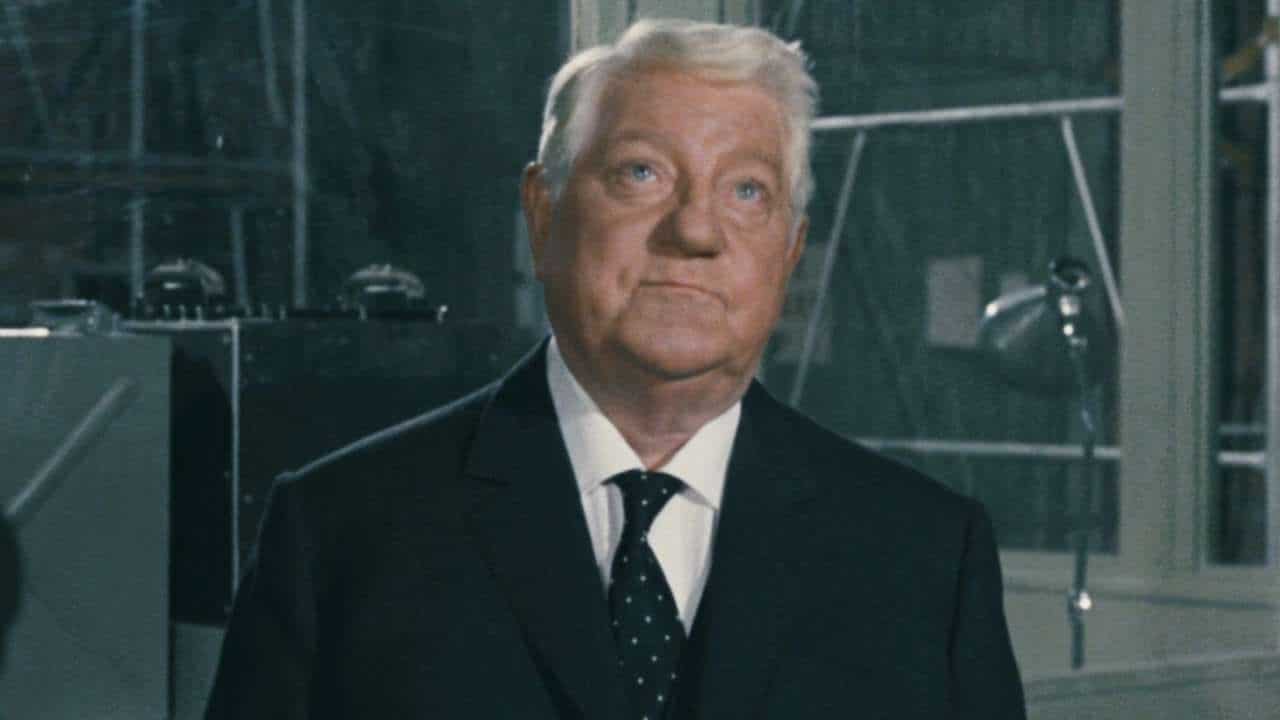
A film starring Jean Gabin made it all the way to the prestigious Oscar ceremony. It was 1939, and the film was “La Grande Illusion”.
Jean Gabin’s film made it to the Oscars! Specifically, “La Grande Illusion”. But how did this French film, shot in France, end up competing at the most prestigious award ceremony?
A Forbidden Success
“La Grande Illusion” takes place during World War I. Lieutenant Maréchal (played by Gabin) and Captain de Boëldieu (Pierre Fresnay) are shot down, and Captain von Rauffenstein (Erich von Stroheim) sends them to a labor camp in Germany. Maréchal and Boëldieu relentlessly plan their escape, eventually being transferred to a remote, heavily fortified camp overseen by von Rauffenstein.
Director Jean Renoir, along with writer Charles Spaak, drew inspiration for the film from the escape stories of the real General Amand Pinsard, whom he had met during the Great War. The film might not have been made if not for Jean Gabin’s participation, which was crucial for securing production funding.
Upon its initial release in France and Belgium in June 1937, the film was an immediate hit but not universally. Amidst the rise of Nazism, the film’s message of universal peace was poorly received, leading to its ban in Germany and Italy. It was also banned during the Occupation by the Vichy government and only re-released in 1946, highlighting the tense political climate.
So How Did It Reach the Oscars?
In the United States, “La Grande Illusion” was distributed by the renowned “World Pictures Corp”, which specialized in bringing foreign films to American soil. The film premiered on September 12, 1938, in an art house cinema in New York, staying in theaters for a staggering 27 weeks as reported by the Hollywood Reporter.
The intellectual community took notice, generating buzz and catching the attention of the local press. In October 1938, to celebrate his wife Eleanor’s birthday, President Franklin Roosevelt screened the film at the White House, stating, “Every democrat in the world should see this film.”
By December 1937, the Academy had decided to open Oscar nominations for Best Picture (then called “Outstanding Production”) to all voters, not just producers. “La Grande Illusion” was still showing and generating discussion, nearly six months after its U.S. release. The word-of-mouth was excellent, and with the support of the 4000 voters, it secured a nomination, marking the first time a foreign-language film was nominated for Best Picture.
And the Winner Was?
That year, “La Grande Illusion” competed against “Jezebel”, “Boys Town”, “The Citadel”, “The Adventures of Robin Hood”, “Pygmalion”, “Test Pilot”, “You Can’t Take It with You”, and others. It was “You Can’t Take It with You”, featuring Jean Arthur, Lionel Barrymore, and James Stewart and directed by Frank Capra, that won the award.
The film’s popularity continued, and World Pictures Corp re-released it as Europe plunged into war in September 1939, revitalizing its revenue stream.
Bolstered by this success overseas, Jean Gabin’s arrival in the United States in February 1941, fleeing occupied France, caused quite a stir. He was immediately signed by the American studio Twentieth Century Fox, where he stayed until April 1943, when he joined General de Gaulle’s Free French Forces. Post-war, Gabin faced a challenging period but revived his career with the 1953 gangster film, “Touchez pas au grisbi”.
Similar Posts
- “Wow, That Movie!” — Jean Gabin’s Brief Take on One of the Greatest Films Ever
- Discover the Hidden Gem Film with Jean Gabin and Michèle Morgan Now Available!
- Jean Gabin Gets Real About the Failure of This ‘Classic Film’!
- 54 Years Ago: Jean Gabin’s Tribute to a French Cinema Legend – A Rare Man of Integrity!
- Jean Gabin’s Film Joke Backfires – Unforeseen Consequences Unleashed!

A passionate journalist, Iris Lennox covers social and cultural news across the U.S.