
Neither clay balls nor chemicals: here’s how oyster shells boost your garden
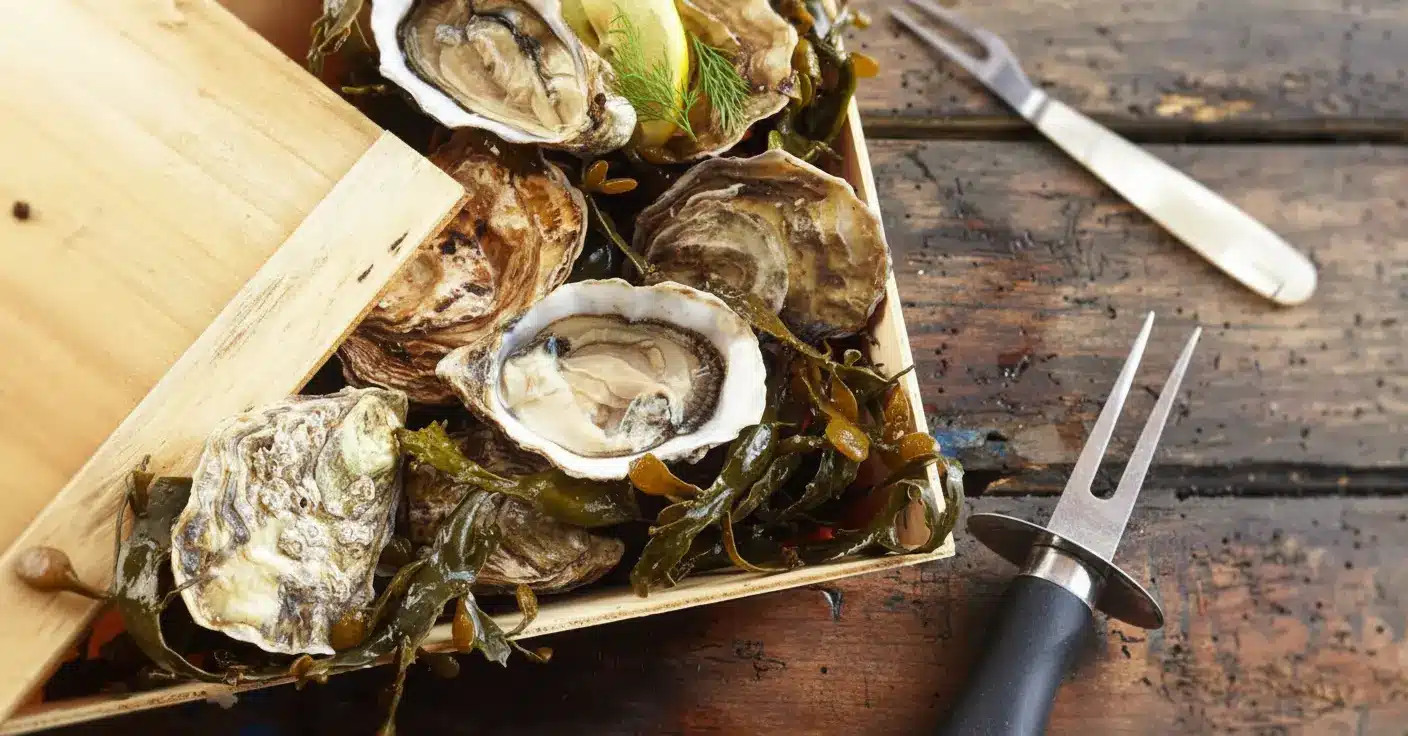
Festive season’s over, the seafood platter’s vanished, and you’re left with a pile of oyster shells—those sturdy souvenirs from a delicious meal. But before you send them off to the bin, wait! Oyster shells can enjoy a rewarding second act in your garden, home, and even your chicken coop. No need for chemistry class flashbacks or expensive clay balls: let’s explore how these shellfish relics can become your secret sustainability weapon.
Oyster Shells: More Than Just a Pretty Face
Oyster shells often grace winter holiday tables in abundance, but their usefulness hardly ends with your last bite of briny goodness. Leftover shells present a clever recycling opportunity—especially for garden enthusiasts. Here are practical ways to put them to work:
- Mineral Boost for Plants: Oyster shells are packed with minerals, notably calcium and magnesium, essential for healthy plant growth. Breaking them into large pieces and adding them to your plant pots mimics the effect of clay balls, offering aeration and drainage.
- Natural Pest Deterrent: Those sharp shell fragments aren’t just decorative; scattered around your garden, they create an inhospitable surface for snails and slugs, discouraging these pests from munching on your greens—they’ll literally turn tail (or shell) after a scrape or two.
- Soil Amendment: Crush the shells into small crumbs to serve as a liming amendment in garden beds. However, moderation is key: in already alkaline soils (that is, those rich in lime), extra oyster shell might be unnecessary. Balance is everything—too much of a good thing and all that.
- Compost Enrichment: Powder those shells finely, and they can be added to your compost heap. This step recycles essential minerals back into your future garden beds.
From the Table to the Garden: Oyster Shell Prep 101
Ready to recycle but unsure how to start? The process is delightfully hands-on (with just a hint of demolition fun):
- Clean Up: First, thoroughly wash the shells to remove any lingering bits of oyster (unless you want to repel more than just slugs). You can also let them dry in the sun—moisture is not your friend here.
- Crush and Conquer: Because oyster shells are, appropriately, hard as nails, it helps to pop them in the oven or even set them by the fireplace to make them a little more fragile. Once ready, wrap them in a dish towel and grab a hammer (or a hefty stone) to break them down. Safety first: wear protective goggles, and make sure your smashing surface is stable and flat. You don’t want your oyster recycling journey to end in a trip to the emergency room.
Chickens and Beyond: Where Else Oyster Shells Shine
Don’t have a green thumb or a pest problem? Oyster shells have many lives. After a hearty holiday meal, you can:
- Feed Your Flock: Ground into a fine powder (very important—anything chunky just won’t work for beaks), oyster shells can be mixed into chickens’ daily feed. This boosts their calcium intake, helping strengthen their bones and giving you sturdier eggshells as a bonus.
- Fight Household Scale: Toss a shell in your dishwasher or toilet tank as an anti-limescale sponge, soaking up pesky mineral deposits. Who knew?
- Recycle on a Bigger Scale: Not feeling crafty? In some communities, special collection bins accept shells of all kinds—oysters, mussels, winkles, and beyond. Check with your local town hall or fishmonger to see what’s available. These shells find new life in amazing places: planters, roundabouts, cosmetic products, aquarium decorations, and even eyeglass frames (yes, really—just ask Friendly Frenchy).
Final Pearls of Wisdom
Oyster shells are more than eco-friendly refuse; they’re a practical (and surprisingly fun) resource for garden, home, and coop. With a little effort, you turn what’s left after your seafood feast into a real asset. So next time you’re eyeing those empty shells, see useful possibilities instead of extra rubbish—your plants, chickens, and dishwasher will thank you!
Similar Posts
- Last Chance on Netflix: Adorable Character Leaving Soon!
- 10 days or 4 days in the fridge: how long hard-boiled eggs really keep
- Can You Spot the Hidden Bird in This Garden? Only the Sharpest Eyes Will Find It!
- Only those with a top IQ can solve the egg, chicken, and banana riddle
- Gaspard’s Brother Vanishes: Only Malik Can Help Him! Find Out How

A passionate journalist, Iris Lennox covers social and cultural news across the U.S.