
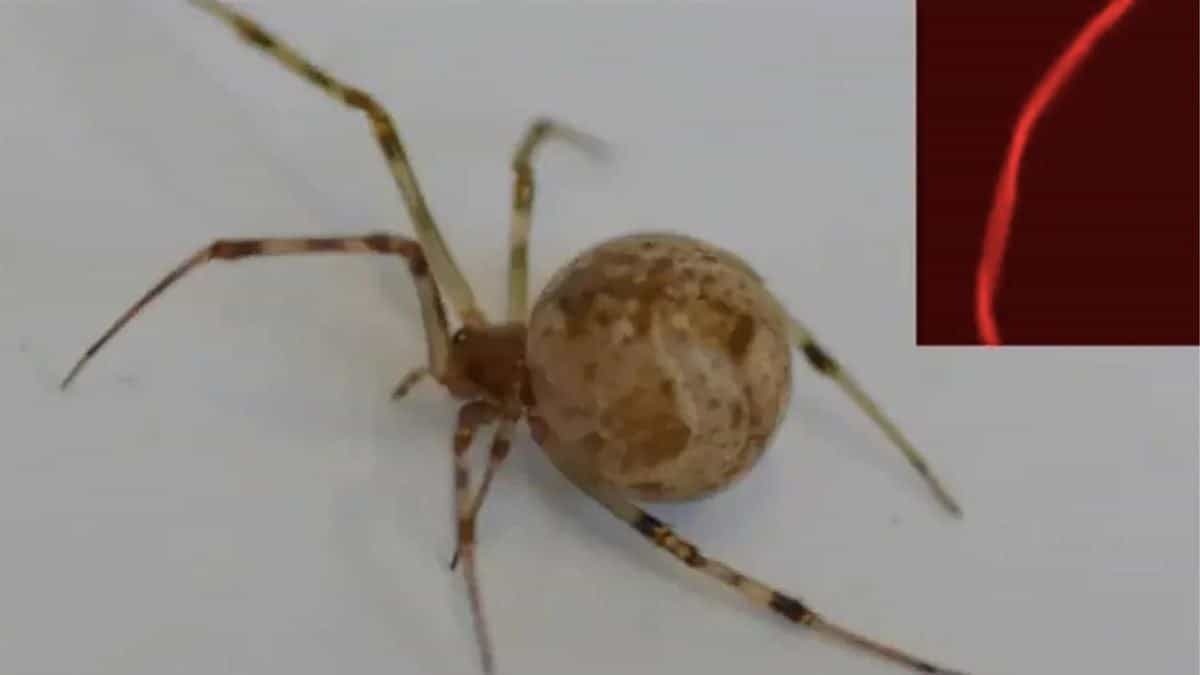
It’s not every day that nature gets a high-tech makeover. But in a quiet lab in Germany, scientists have pulled off something that sounds like it belongs in a Marvel film: they’ve created spider silk that glows neon red. And no, it’s not a Halloween prank—it’s a landmark moment in bioengineering.
Using the revolutionary gene-editing tool CRISPR-Cas9, researchers have, for the first time, genetically modified a spider to spin silk that fluoresces under UV light. And while that might seem like a flashy party trick, it’s far more than just a scientific curiosity.
Cracking the spider code
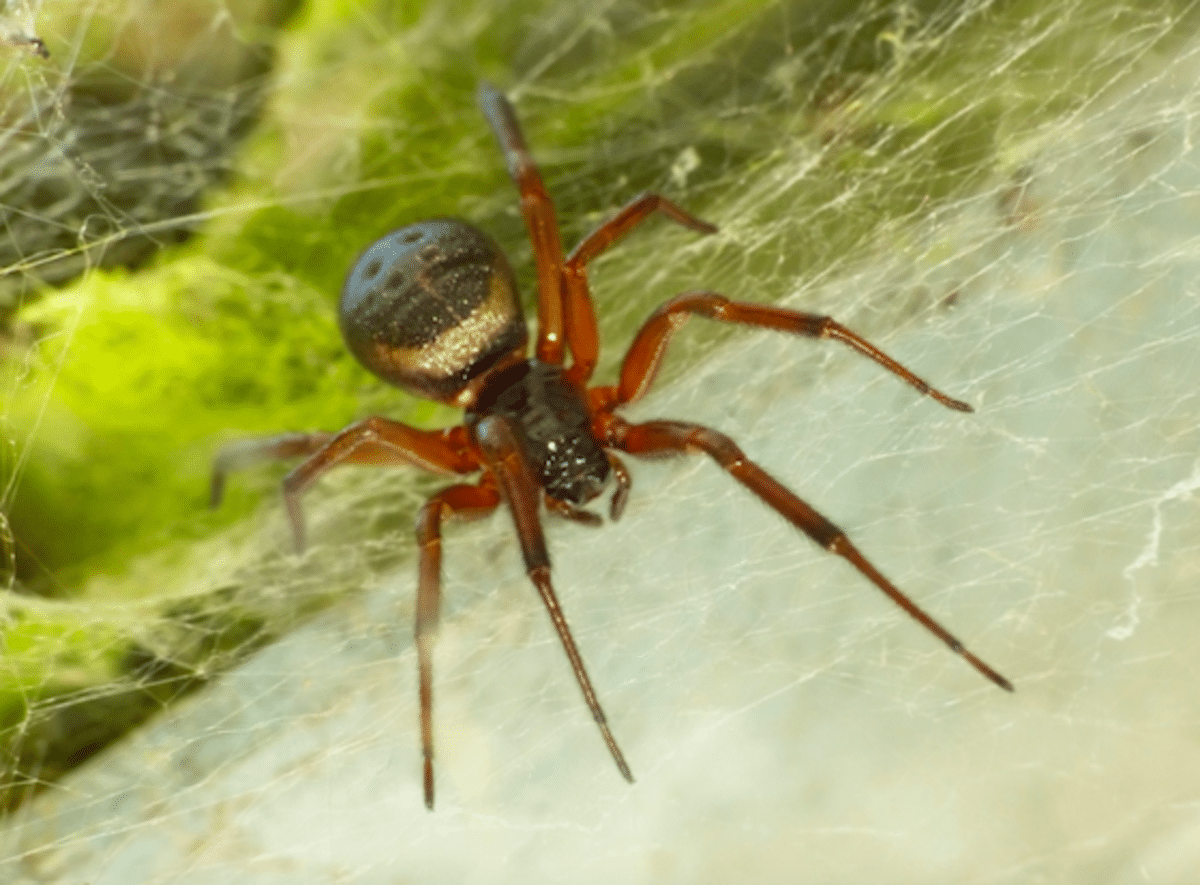
Spiders have always been a bit elusive in the lab. Unlike fruit flies or mice, they don’t take well to genetic tinkering. But one species, Parasteatoda tepidariorum—a humble house spider—has proven a little more amenable to science.
By injecting a fluorescent protein gene into the reproductive cells of unfertilised female spiders, scientists were able to pass on this genetic modification to their offspring. The result? A new generation of spiders weaving threads that glow a brilliant red under UV light.
And yes, there’s something quite mesmerising about the idea of a spider quietly spinning glowing silk in the dark corners of a lab. But this breakthrough isn’t about aesthetics—it’s about what comes next.
Why glowing silk isn’t just for show
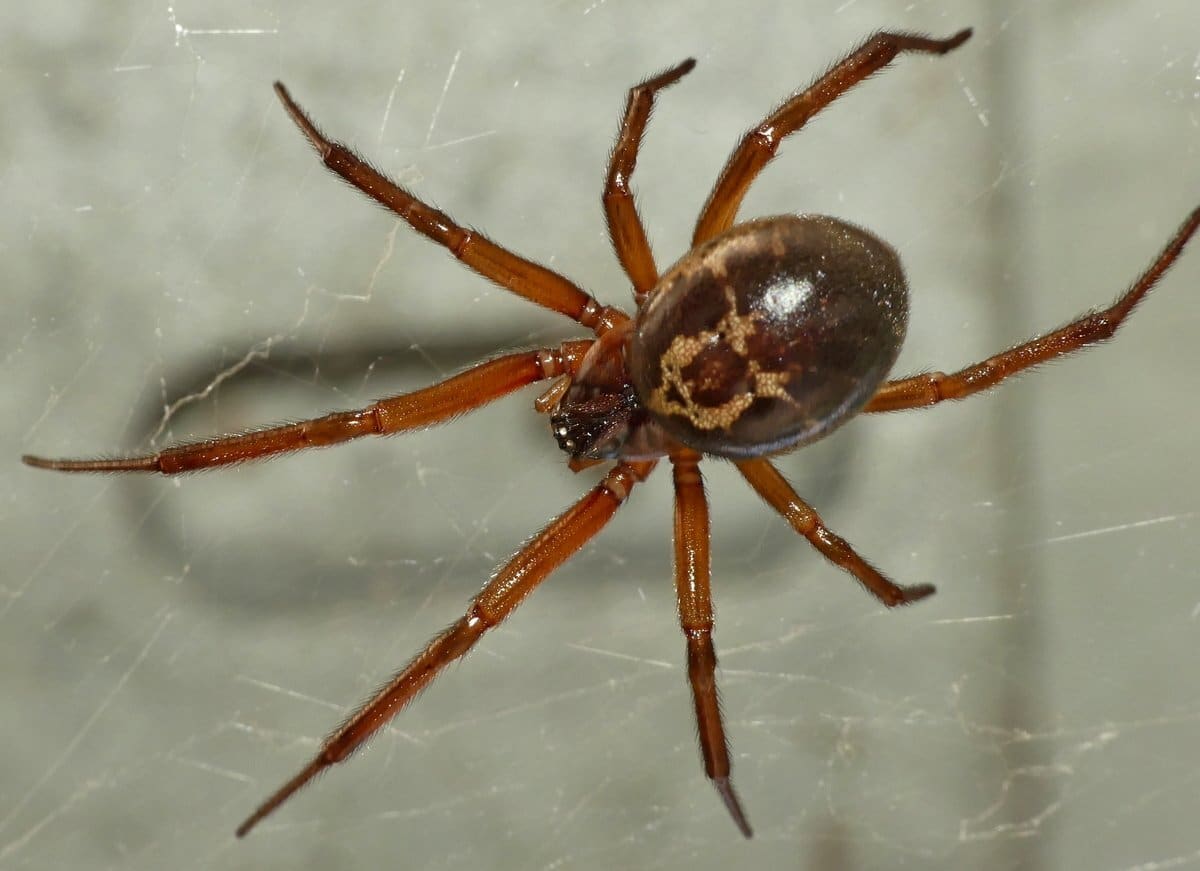
Spider silk has long fascinated scientists. It’s incredibly strong—stronger than steel by weight—yet light, stretchy and biodegradable. In short, it’s a dream material. But until now, manipulating it to suit human needs has been more theory than reality.
This new development proves that we can add new properties to silk at a molecular level. By tweaking its protein makeup, researchers believe we could eventually produce silk tailored for specific uses—think medical sutures that dissolve in the body, or biodegradable fibres for next-generation textiles and electronics.
As one lead researcher put it, this experiment shows that it’s possible to “insert a desired sequence into spider silk proteins.” It’s a sentence that may not sound dramatic, but in the world of molecular biology, it’s groundbreaking.
A Nobel-worthy toolkit and boundless potential
The CRISPR-Cas9 technique, which earned its inventors a Nobel Prize, acts like a pair of molecular scissors, allowing scientists to snip and insert genes with stunning precision. It’s already been used to create malaria-resistant mosquitoes and wasps with bright red eyes (handy for tracking genetic changes). But spiders were, until now, still on the ‘too tricky’ list.
That’s what makes this glowing silk so exciting—it’s not just a technical success, but a sign that spider-based bioengineering is finally possible. With further development, the ability to design silk with specific characteristics could revolutionise materials science.
Imagine stitches that change colour to signal infection, or parachute cords that are stronger yet lighter. It’s not sci-fi—it’s spinning its way into the real world.
The silk road ahead
Of course, there’s still a long journey before genetically modified spider silk hits the mainstream. Ethical questions, production challenges and the not-so-small issue of mass spider farming all remain. But this discovery marks a giant leap forward.
It’s proof that with the right tools—and a bit of patience—scientists can reshape nature’s materials to meet tomorrow’s challenges. And if those materials happen to glow in the dark? All the better.
Similar Posts
- Astronomers stunned by the discovery of a colossal glowing cloud hidden in space
- What your eye color reveals about your personality traits, according to research
- A mysterious bacteria has emerged aboard China’s space station—are astronauts in danger?
- NASA warns : Life on Earth may not be possible after this shocking date
- Spider-Man’s Ultimate Villain Revealed in This Must-Watch Scene!

A passionate journalist, Iris Lennox covers social and cultural news across the U.S.