
50% drop in value after 3 years: the hidden costs electric car owners face
Electric cars are often painted as the chariots of ecological virtue, offering a new feel behind the wheel, fresh sensations, and even generous energy savings. Once you go electric, it’s near impossible to go back – just ask any EV driver. But before you throw yourself (wallet first) into the electric revolution, it’s wise to know the road ahead is dotted with more costs than just those listed on the automaker’s shiny brochure.
The Many Faces of Cost: Buying, Options, and Government Aid
Let’s start simple: price. According to a RTE (Réseau de Transport Electrique) study, 73% of French people feel that EVs are still too expensive compared to petrol-powered cars. And, frankly, the purchase cost is indeed higher, with the price gap widening as you climb in range. For instance, a Peugeot e-208 costs nearly 10,000 euros more than its petrol sibling, and the gap balloons further among SUVs.
- The government throws in aids like the ecological bonus or conversion premiums – but these come with income and eligibility conditions, and the rules for getting them change quickly.
- Not all models qualify for each aid. Carefully reviewing these criteria before buying is a must.
- Once you dip into the options menu, brace yourself. On electric models, options can seriously pump up the final bill.
- For example, Tesla’s Model 3 starts at 44,990 euros (before aid), but adding Autopilot with autonomous driving is a 7,500-euro extra. This single option sometimes pushes the car above bonus-eligibility, adding almost 15,000 euros to the final cost.
- Some manufacturers can double the base price depending on the selected features – always check the default equipment list!
Updates, Insurance, and the Charging Conundrum
Electric cars love updates – many download overnight, à la Tesla magic. The pitfall? Some brands are now charging for these, whether for performance improvements (hello, paid upgrades on Tesla Model 3 or Mercedes) or navigation becoming paid after several years. Understanding which features might require future payments (or become subscriptions) is increasingly important when calculating long-term costs.
Then there’s insurance. Conventional wisdom says ‘cheaper for EVs!’ – the reality is less clear-cut. A 2021 Les Furets study showed that insuring an EV for third-party coverage averaged 405 euros a year versus 534 for a petrol car. Comprehensive coverage for an EV is 670 euros versus 823 euros for combustion models. However, it can flip depending on the car: a Peugeot e-208 costs more to insure (341 euros vs 314 for third-party, and 673 vs 568 euros for full coverage) than its petrol equivalent. Same story for the Renault ZOE, which can be as much as 250 euros more a year than a Clio V in full cover. So, model choice matters.
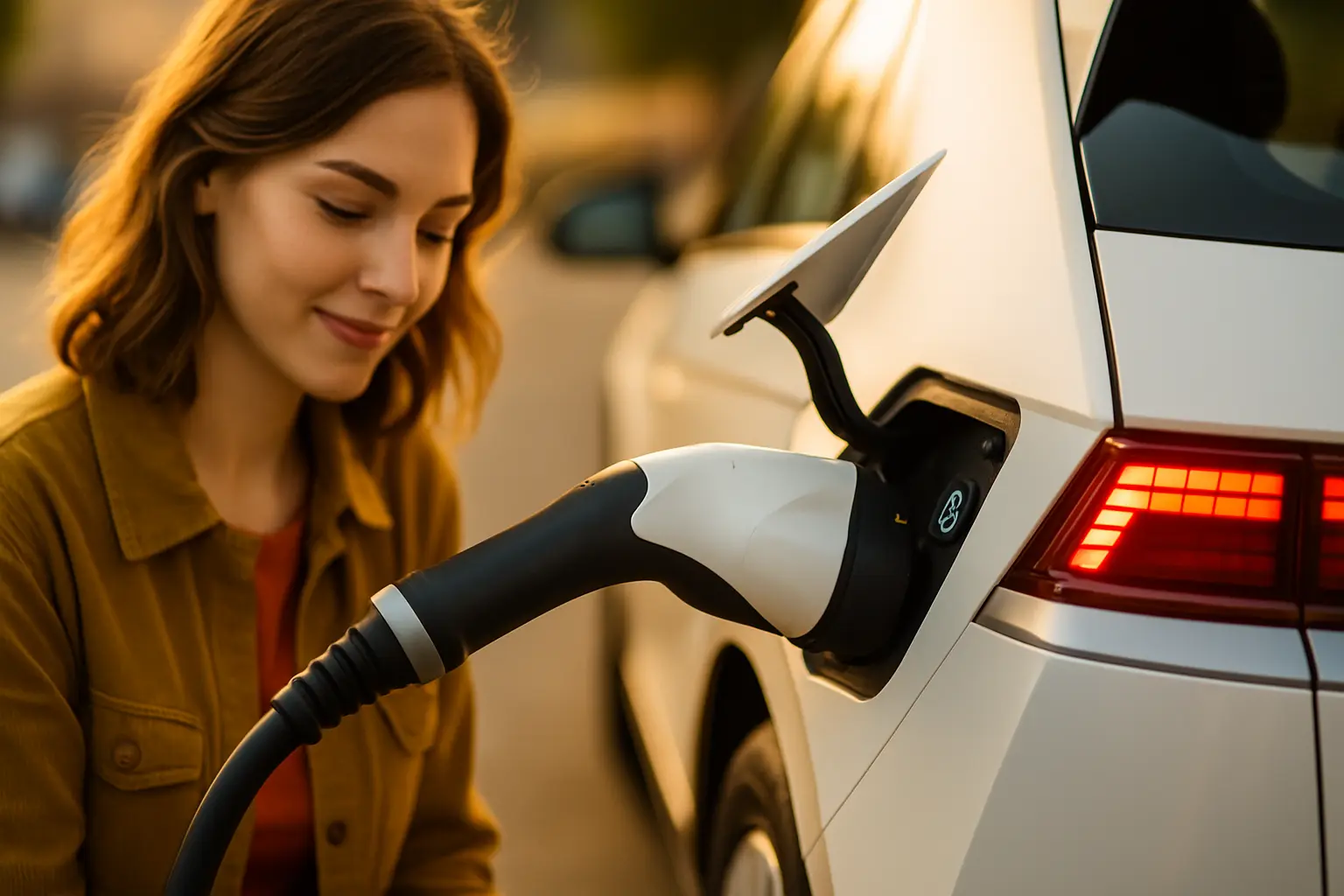
Home charging: it’s cheaper than refueling at the pump, but not plug-and-play. Installing a reinforced socket or a home charging station costs between 500 and 2,000 euros according to Engie. Again, some incentives exist: a 300-euro tax credit, reduced 5.5% VAT, and sometimes local grants, so research is vital to slash the hidden costs here. But full disclosure: public charging, especially fast charging, has become much pricier in 2023. A 20–80% recharge on a Hyundai Ioniq 5 at an Ionity station can cost 30 to 40 euros (for about 300 km); double that for 600 km and you’re close to petrol fill-up costs. This gets worse if you don’t have home charging and have to rely mostly on public stations.
- Public network access often involves monthly or annual subscriptions to get the best rates or a charging card.
- Time cost: Fast charging still takes roughly 20 minutes for a significant top-up. Fine for holidays, much trickier for those piling up hundreds of kilometers a week – professional drivers, be warned!
Repairs, Battery Decline, and the Not-So-Invisible Depreciation
While maintenance for electric cars is about 20–30% lower than for petrol models, the true sting comes with repairs. Once out of warranty or if you’re at fault in an accident, EV repairs cost on average twice as much, says Dutch insurer Autotrust. Parts are pricier, installation is more complex (e.g., a Nissan Leaf brake servo: 4,000 euros vs 350 euros for a Qashqai), and there aren’t many specialist repairers, so competition is low and prices can soar.
Batteries work optimally for 8–10 years, but effectiveness wanes afterward: a “full” charge may only deliver 80% of the original range, and it drops over time. If you need a battery replacement after an accident? Hold onto your hat: at roughly 140 euros per kWh, even a modest 52 kWh battery (like a Renault ZOE) costs 8,100 euros.
Then there’s resale. With rare exceptions (hello Tesla and Mini), depreciation bites hard. After three years, used electric cars can lose up to 50% of their value, compared to about 30% for gasoline vehicles. Why? Low share on the used market (only 1% at end-2021), poor incentives for buying used, and wariness over battery longevity. Many buyers feel uneasy about spending tens of thousands when a battery may not perform optimally just a few years later. A city EV that originally cost 10,000 euros more than its petrol peer can, after a few years, resell for less than the cheaper counterpart. Quite the conundrum.
Conclusion: Look Before You Leap into Electric
Electric vehicles can be both ecological and thrilling, and many drivers swear by them. Still, hidden or lesser-known costs stack up quickly – from options to insurance quirks, charging infrastructure bills, whopper repair expenses, battery degradation, and sharp depreciation. Crunch the numbers for your specific model and situation before buying, and keep an eye on evolving incentives. The electric future is bright, but the path is best trodden with your eyes wide open… and your calculator close to hand.
Similar Posts
- They drove 2,500 km in an electric car and reached a blunt verdict: diesel still rules the road
- No green bonus since 2017: the hidden costs and limits of hybrid cars revealed
- Electric cars are replaced every 3 years, gas ones every 12 – this new study explains the gap
- This man tried to buy a Tesla—what he discovered left him stunned
- China Is Constructing a Building-Sized Battery: A Groundbreaking Solution for Charging Electric Transport

A passionate journalist, Iris Lennox covers social and cultural news across the U.S.