
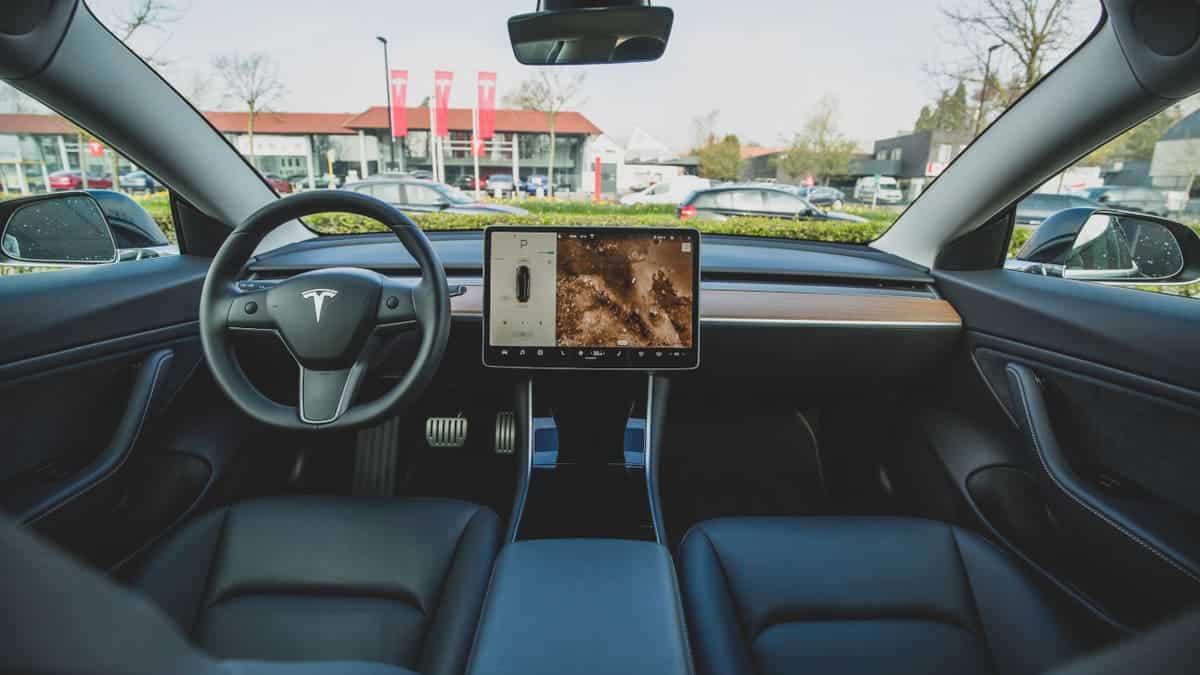
The plan was ambitious: drive more than 2,500 kilometres from Berlin to Madrid in a pair of electric vehicles—one Tesla Model Y and one Tesla Model 3—both kitted out in their Long Range versions. Two sleek cars, fully charged and ready to take on the open road.
The goal wasn’t just to get from A to B. It was to see whether an electric road trip across Europe was as efficient, cost-effective and seamless as it’s often made out to be. Could electricity outpace petrol—or more pointedly, diesel—on long-distance journeys?
The route was largely mapped out by Tesla’s own trip planner, which naturally nudged drivers toward its network of Superchargers. Every 200 to 300 kilometres came a pit stop—not just to plug in, but also to stretch legs, grab a coffee, and yes, queue for the loo. Often, the car was ready to go before the driver was.
The numbers don’t lie
Let’s talk costs. Comparing the real-time charging prices against average fuel costs across Germany, France, and Spain—courtesy of data from the European Union’s official bulletin—the team found that topping up a Tesla for the full trip cost roughly €54 more than filling a diesel tank.
If you were driving a petrol car with average fuel consumption (around 7L per 100km), the price gap would jump even further—to about €137 more than the Tesla charging costs. But that’s just the fuel bill.
Crucially, the diesel-powered journey still won in the eyes of the drivers when it came to overall efficiency. If your priority is covering long distances in the shortest possible time, diesel still offers the edge. Yes, even with all the fast-charging stations Tesla throws your way.
But it’s not that simple
Before you swap your EV dreams for diesel fumes, there are a few caveats worth flagging.
First, the entire journey was powered by Tesla’s Superchargers—which, while speedy and convenient, aren’t always the cheapest option. If the drivers had made use of slower, overnight chargers or combined different types of outlets, their savings would likely have increased.
Second, the trip assumed a continuous drive, but most people don’t travel that way. If you’re planning to stop overnight, for a proper meal or rest, then taking advantage of low-cost (or even free) slower charging makes far more sense.
And finally, there’s the long-term equation. While diesel might win today’s time-versus-money race, it still loses when you factor in maintenance costs. EVs are famously lean when it comes to upkeep—fewer moving parts, fewer things to go wrong. That margin grows wider over years of ownership.
One size never fits all
The takeaway? There’s no definitive winner—just preferences, priorities and practicality. Some will value speed above all else. Others are happy to save money and reduce emissions, even if it means longer breaks and more planning. The good news is, there’s enough automotive choice out there to suit every kind of driver.
As Europe edges toward broader adoption of electric transport, real-world road tests like these are more valuable than ever. They remind us that behind the glossy brochures and green promises are actual drivers, doing actual miles—with coffee, fuel receipts, and all.
Similar Posts
- 50% drop in value after 3 years: the hidden costs electric car owners face
- This man tried to buy a Tesla—what he discovered left him stunned
- No green bonus since 2017: the hidden costs and limits of hybrid cars revealed
- Electric cars are replaced every 3 years, gas ones every 12 – this new study explains the gap
- Thousands Worldwide Join ‘Tesla Takedown’ Protests – What’s Happening?

A passionate journalist, Iris Lennox covers social and cultural news across the U.S.