
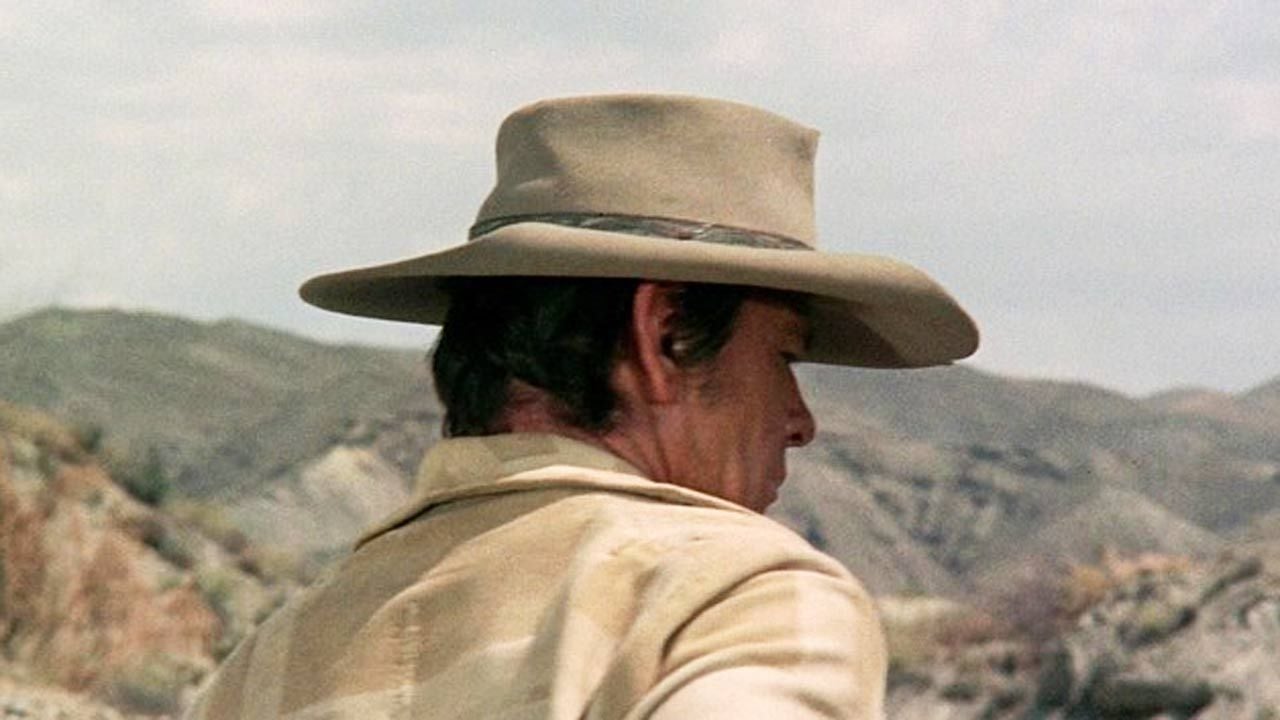
Fifty-eight years ago, everyone thought Sergio Leone was out of his mind: he turned down Hollywood stars and insisted on Charles Bronson for “Once Upon a Time in the West.” A risky intuition that became legendary.
Regarded as a pinnacle of the Western genre, “Once Upon a Time in the West” holds a unique place in film history. With an impressive average rating of 4.5 out of 5 on AlloCiné, the film surpasses genre giants like “The Good, the Bad and the Ugly,” “Django Unchained,” and “Dances with Wolves.” Yet, the film could have looked very different.
In crafting the enigmatic Harmonica Man, Sergio Leone held an unwavering belief: only one actor could bring this character to life. Despite studio reluctance and numerous offers from Hollywood stars, the Italian director would not compromise.
Charles Bronson, Leone’s Obvious Choice
In the book “Conversations with Sergio Leone,” compiled by Noël Simsolo, the filmmaker explains why he adamantly refused to entrust the role to anyone other than Charles Bronson. For him, the actor possessed the exact presence required by this silent character, haunted by his past.
“Harmonica is Bronson. A stoic force. A half-breed bent on vengeance. A man who can wait as long as it takes to kill the one responsible for his brother’s death. As an Indian, he already harbors hatred for the white man. And he will torture Frank by reminding him of all his victims’ names. But he must always appear impassive. He doesn’t talk much. He expresses his pain through the harmonica. His music is a lament that echoes from afar. It’s visceral. And it’s tied to an ancestral memory.”
In Leone’s mind, Bronson embodied an almost stone-like presence, capable of conveying suffering and revenge without a need for extensive dialogue. This silent intensity was the very essence of the character.
Hollywood Couldn’t Grasp His Stubbornness
This artistic choice, though clear to the director, long puzzled the American industry. In Hollywood, many found it absurd to pass over major bankable stars for a then less exposed actor.
“In Hollywood, they wanted to commit me to an asylum. I had turned down all the stars and insisted on having Bronson. They thought I had lost my mind. But I am stubborn. I got Charles Bronson. And I believe what followed proved I was far from insane.”
Nevertheless, MGM producers did not lack alternatives to propose to him. Several major stars of the time were indeed considered for the lead role.
“The Americans offered me all their stars. One day, they announce Rock Hudson wants the role. The next, another name is proposed. One day, one of my associates tells me Warren Beatty wishes to play the harmonica man.”
Why Warren Beatty Was Immediately Dismissed
Among the names floated by the studios, one in particular irritated Sergio Leone: Warren Beatty. The director felt the actor did not fit the film’s universe at all, to the extent of imagining the audience’s puzzled reaction.
“I said to him: ‘Warren Beatty? I’ll describe to you the reaction of my audience if I cast Warren Beatty… [People] watch the fly sequence. They’re amused. They get caught up in the imagery. They wait, just like the three gunmen at the station. And then the train arrives… Then they start trembling at the smoke and listening to the harmonica music. They see the silhouette of the man who has stepped off the train. His hat hides his face. And then he slowly lifts his head. And it’s… Warren Beatty. At that point, the audience jumps. They look at each other saying: ‘Warren Beatty! What’s he doing here, this Warren Beatty?! He’s got the wrong movie.’“
For Leone, the character’s appearance needed to evoke fascination and mystery, not a surprise effect linked to the celebrity of a too well-identified actor.
A Ultimately Rewarded Intuition
Persistence paid off for Sergio Leone: Charles Bronson was cast as the Harmonica Man. This wasn’t the first time the director had thought of him: he had previously considered him for the role of Sentenza in “The Good, the Bad and the Ugly,” before ultimately giving the character to Lee Van Cleef, who has since become one of the most iconic antagonists in Western cinema.
Leone’s gamble proved successful. The success of “Once Upon a Time in the West,” along with “Adieu l’ami” the same year alongside Alain Delon, transformed Bronson’s career. Previously mostly confined to lead roles in B-movies like “Machine Gun Kelly,” “The Californian,” or “Crime Syndicate,” he then firmly established himself as a true movie star, going on to star in “Rider on the Rain,” “Violent City,” and “Cold Sweat.”
“Once Upon a Time in the West” is available on streaming platforms Molotov TV, Ciné+ OCS, and SFR Play, as well as on VOD.
AlloCiné, your daily source for over 40 articles about cinema and TV series news, interviews, streaming recommendations, quirky anecdotes and cinematic insights about your favorite films and series. Subscribe to AlloCiné on Google Discover, and explore daily the riches of a site designed by enthusiasts for enthusiasts.
Similar Posts
- Rated 4.5/5, Discover the Greatest Western Ever Filmed, Tragedy Struck 58 Years Ago!
- Almost Cast! Jean Gabin Nearly Starred in a Sergio Leone Epic, Under One Condition
- Sergio Leone’s Masterpiece Ruined: How One of Cinema’s Greatest Films Lost Its Soul
- Tarantino Claims This is the Only Perfect Trilogy & It Stars Clint Eastwood!
- 10 Years Ago, Natalie Portman Starred in a Western Everyone Forgot!

A passionate journalist, Iris Lennox covers social and cultural news across the U.S.