
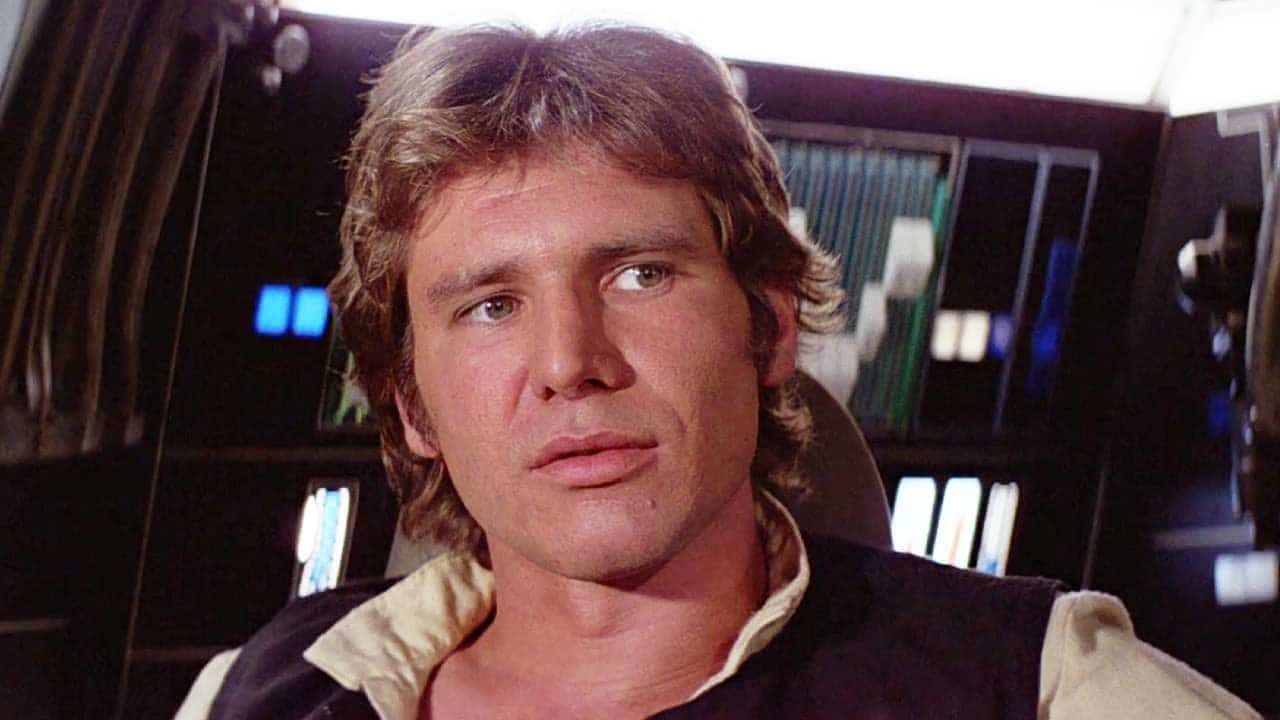
Upon its release, George Lucas’s Star Wars received mixed reviews from American critics, with some praising its achievement while others criticized its “depressing” nature.
What was the initial reception of the first Star Wars film by the American press when it debuted in May 1977? Did the critics embrace George Lucas’s movie at a time when science fiction, aside from ‘2001: A Space Odyssey,’ was generally looked down upon?
“Crushing Banality”
Pauline Kael, a prominent and feared critic of the 1970s, wrote in The New Yorker: “The deafening volume, frenetic editing, and relentless pace leave you no room for any other thought. (…) There’s no respite or lyricism in this picture; the only touch of beauty is in that twin sunset. It’s nice on its own, but it’s also exhausting.”
This view was echoed by New York Magazine: “If you strip Star Wars of its often striking visuals and pompous scientific jargon, what’s left is a story, characters, and dialogue of crushing banality, devoid of even a hint of futurism.”
“This Film Will Continue to Captivate Audiences of All Ages for a Long Time”
On the other end of the spectrum, the Hollywood Reporter predicted: “Produced by Lucasfilm for 20th Century-Fox, Star Wars will undoubtedly stand as one of the true classics of the science fiction/fantasy genre. Regardless, this film will continue to captivate audiences of all ages for a long time.”
The Guardian considered the film solid entertainment that avoids some pitfalls: “I can’t say there’s much that’s genuinely new here, compared to, say, Kubrick’s ‘2001.’ But it’s not ‘Star Trek.’ Plus, Lucas was wise not to make the mistake of explaining everything. All the technical stuff is taken for granted by the characters, which means we will marvel at it all the more. And let’s not forget John Williams’ very traditional soundtrack, which avoids electronic beeps and blips in favor of martial tunes and fanfares, just to anchor us in some semblance of reality.”
“The Triumph of Standardized Commercial Products”
According to the New York Times, “one of Mr. Lucas’s great achievements lies in his ability to evoke the kitsch of the old comic strips and serials he adores, without making a movie that is itself kitsch. Star Wars is successful enough to convince even the most skeptical eight-year-old science fiction fan, who is also the most demanding critic.”
However, another outlet criticized it on exactly these grounds:
“There’s something depressing about seeing all this impressive cinematic talent and extraordinary technological expertise dedicated to such childish subjects”, lamented the Wall Street Journal. “But perhaps more importantly, it seems to achieve the canonization of comic book culture, thus becoming the triumph of standardized, simplistic, mass-produced commercial products of our time.”
Finally, Variety truly commended the effort put into making the film in 1977: “Star Wars is a spectacular film. George Lucas set out to create the greatest fantasy adventure conceivable, drawing on his memories of serials and grand action epics of yore, and he succeeded admirably. Lucas and producer Gary Kurtz assembled a massive technical team drawn from across Hollywood’s talent pool, and the result lives up to the genius of Walt Disney, Willis O’Brien, and other rightly celebrated practitioners of what Irwin Allen calls ‘movie magic.'”
AlloCiné offers daily more than 40 articles covering the latest movie and series news, interviews, streaming recommendations, quirky and cinephile anecdotes about your favorite films and series. Subscribing to AlloCiné on Google Discover ensures you explore the depths of a site designed by and for enthusiasts every day.
Similar Posts
- 20 Years Ago, George Lucas Firmly Said “No” to Star Wars Episode 7!
- Carrie Fisher Urged Mark Hamill to Embrace Being Luke Skywalker in Star Wars!
- 37 Years Ago, George Lucas Rejected Sean Connery as Indiana Jones’ Dad—Here’s Why!
- 50-Year Sci-Fi Saga Thrives with Hit Series Rated 4.2/5!
- Best Star Wars Production Ever? This Series Focuses on Iconic Sci-Fi Villain!

A passionate journalist, Iris Lennox covers social and cultural news across the U.S.