
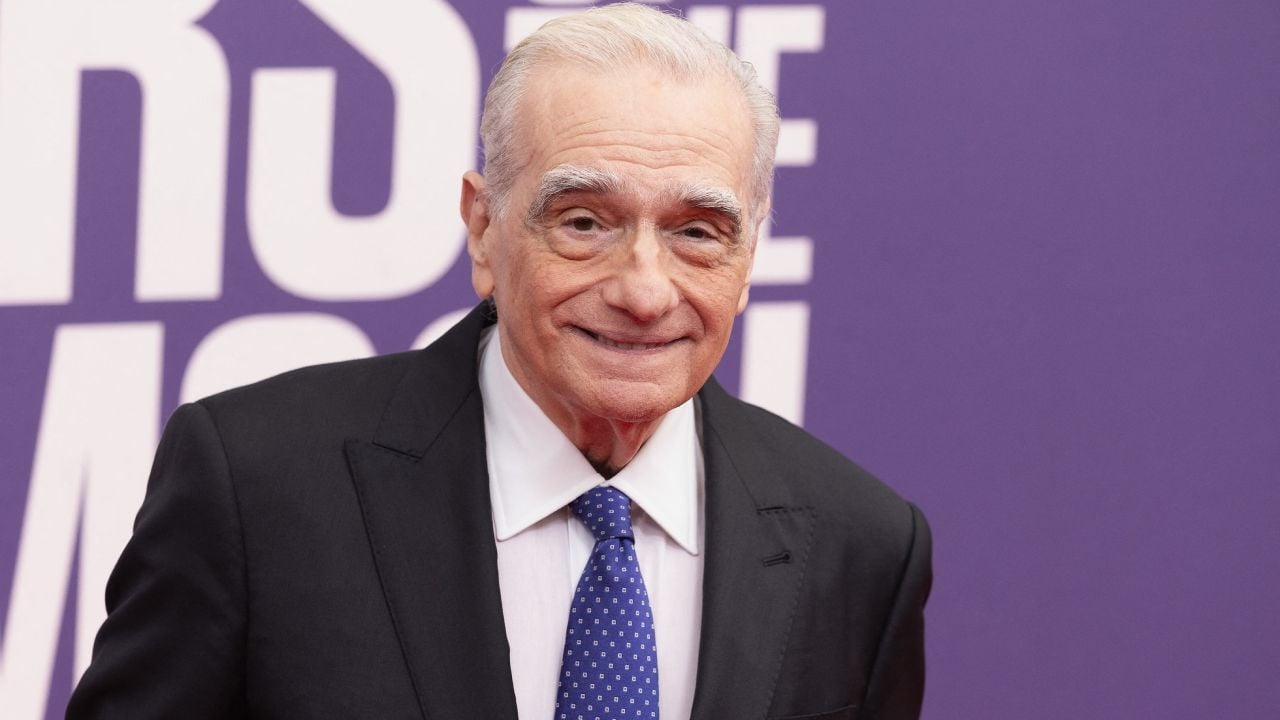
In 1972, the words of a great director proved invaluable to maestro Martin Scorsese, playing a pivotal role in shaping his career.
In 1972, before becoming a household name with films like Mean Streets and Taxi Driver, Martin Scorsese agreed to direct a commissioned film: Bertha Boxcar. The offer came from producer Roger Corman, known for his low-budget genre films and somewhat for exploiting young filmmakers.
A Commissioned Film
“It’s kind of a Bonnie and Clyde, want to direct it?” Corman asked the young Scorsese. “I said yes, absolutely!” Scorsese shared in the first episode of the documentary series Mr. Scorsese, available on Apple TV+.
Indeed, before becoming a figure of the New Hollywood alongside Steven Spielberg and Brian De Palma, Scorsese was compelled to take on a commissioned film, which did not sit well with his circle of friends.
“I managed to finish Bertha Boxcar on time, within budget, and without getting fired. Honestly, I was just so happy to not have been kicked out. It was a significant step for me,” Scorsese remarked.
“But my friends hated the film. For them, it was like I had caught some disease. They judged me and distanced themselves from me. Several people I wanted to work with told me: Stay away from us!” the director continued.
My friends hated the film. For them, it was like I had caught some disease. They judged me and distanced themselves from me.
A Betrayal of His Art?
“They thought you had betrayed your art?” Rebecca Miller, the director of the documentary Mr. Scorsese, asked. “Yes, that’s really what they thought,” confirmed Scorsese. It was then that Brian De Palma introduced him to the script for Taxi Driver, written by Paul Schrader.
“I desperately wanted to do it, but producers Michael and Julia Phillipps didn’t take me seriously at all because I had made Bertha Boxcar,” lamented Martin Scorsese, who was then in a creative deadlock.
Enter John Cassavetes, a filmmaker known for memorable features like Shadows, Faces, and A Woman Under the Influence, and renowned for his extreme creative freedom and uncompromising nature. It was Scorsese’s friend, screenwriter Jay Cocks, who introduced him to the eminent director.
“I talked to him about Marty and he said: ‘I’d really like to see his films,'” Jay Cocks recalled. After watching Scorsese’s first feature, Who’s That Knocking at My Door, Cassavetes said, “I was embarrassed by this film, and he said: ‘This is the kind of film you have to make!’ He really believed in it,” revealed Martin Scorsese.
A Phrase That Changed Everything
“These are exactly the kind of films you need to make! Never again make nonsense like Bertha Boxcar,” Cassavetes stressed. “After watching the film, he said: ‘Come here.’ Then he hugged me, put his hands on my shoulders, and declared: ‘You’ve just wasted a year of your life making junk. You’re better than that, don’t do it again,'” Cassavetes told Martin Scorsese, who quickly grasped the lesson from the maestro.
You’ve just wasted a year of your life making junk. You’re better than that, don’t do it again.
According to Jay Cocks, the director of Shadows saw the “fabulous talent” in Scorsese in Who’s That Knocking At My Door. For Marty, John Cassavetes then became the “patron saint of cinema. He was like his conscience.”
Marty later discussed his project Mean Streets, and his new mentor strongly encouraged him to pursue it. That’s when Scorsese would meet Robert De Niro, assigning him the iconic role of Johnny Boy. The rest is history. And if you want to know all about the famous director, check out Mr. Scorsese on Apple TV+.
Similar Posts
- Confirmed! Dwayne Johnson, DiCaprio, Scorsese Team Up for Most Anticipated Thriller!
- Scorsese Hides in His Western Thrice: Discover “Killers of the Flower Moon” Secrets!
- Robert De Niro Praises Hollywood Icon Who Shined in Just 3 Films!
- Sharon Stone Refused to Audition for Scorsese Classic Among 3000 Actresses!
- Tonight on TV: Franck Gastambide Revives One of France’s Most Iconic Film Sagas!

A passionate journalist, Iris Lennox covers social and cultural news across the U.S.