
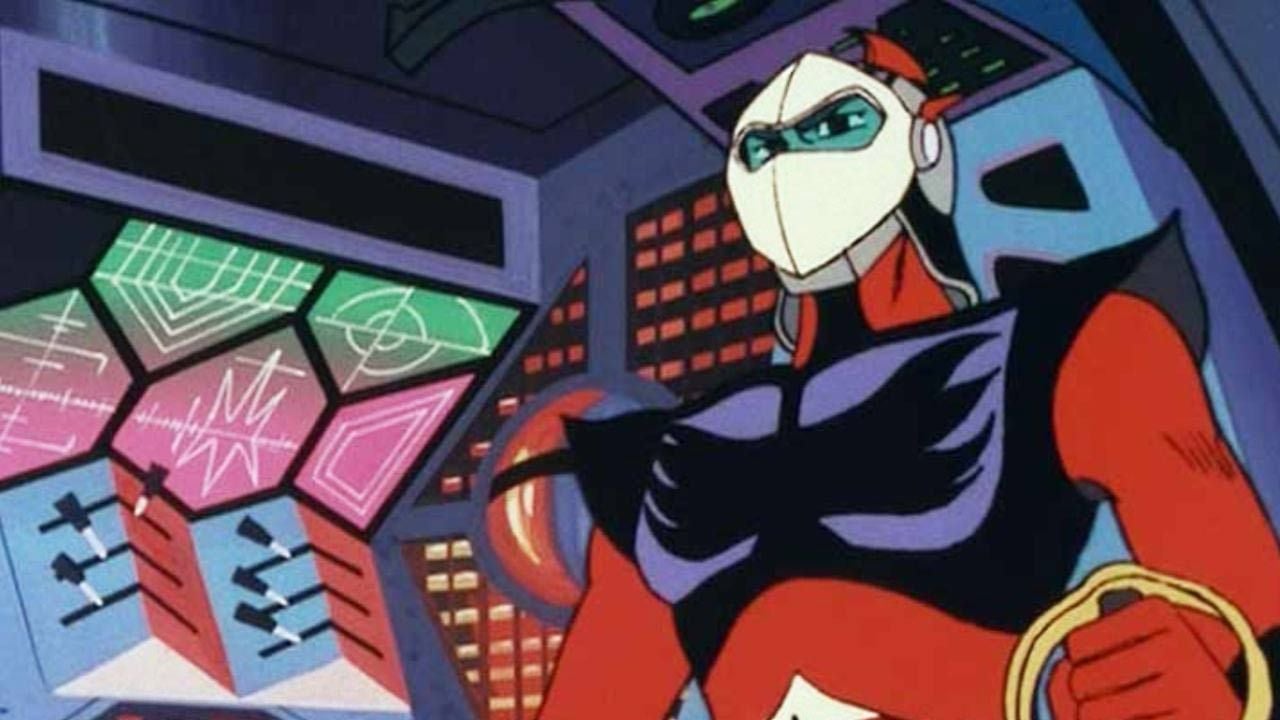
48 years later, the mystery behind Actarus’ double spin maneuver still captivates fans of “Goldorak”: Is it a technical necessity, an artistic choice, or simply for flair? Let’s dive into this iconic action.
Nearly half a century later, the beloved science fiction series “Goldorak,” created by Gô Nagai, continues to captivate fans and spark heated debates. Since the 1970s, one question has particularly baffled aficionados: Why does Actarus perform two rotations before settling into the cockpit of his giant robot?
Each episode featured this iconic scene. As soon as the hero uttered the keyword “Transfer!”, he would activate a handle that transitioned him from his flying saucer to the head of Goldorak. Viewers knew that a battle was imminent. However, these repetitive rotations have always puzzled anime enthusiasts, who have offered explanations ranging from the technical to the whimsical.
Technical Theory: Misaligned Rails
A primary, rational theory involves the mechanics of the transfer. Some fans believe that Actarus’ seat needs to rotate twice to align with the rails leading to the cockpit. These rails might not be perfectly straight, and the rotations help the Prince of Euphor position himself correctly before taking control. In other words, these half-turns are a necessary step to reach the right angle inside the robot’s head.
Could It Be to Slow the Descent?
Other theories are a bit more lighthearted. Some suggest that the rotations help slow down the seat, which could otherwise descend too quickly and potentially lead to an accident—like crashing through Goldorak’s windshield. Another more scientific idea posits that these rotations act like decompression stages, similar to what divers do to prevent nitrogen bubbles from causing harm in their bloodstream.
Rediscover the famous double spin below:
The Reverse Journey
Another interpretation focuses on the hero’s return to his saucer after a mission. The first spin helps Actarus reorient himself to head back to the center of his vessel, while the second is necessary for realigning and piloting Goldorak again. A simple explanation, but one that fits perfectly with the character’s logic.
A Trick of the Animators
There’s also a more pragmatic hypothesis related to the production constraints of animated series in the 1970s-80s. Tight deadlines often forced studios to outsource animation to South Korea. Reusing signature sequences, like the transfer with the two rotations, helped save precious time. These repeated movements slightly extended the scene, easing production pace and ensuring the weekly release of an episode, much like the famous metamorphosis scene before Goldorak’s launch.
Actarus, King of Style?
Finally, and perhaps more amusingly, the double spin might simply be for show. Actarus, knowing that he and Goldorak are invincible, might indulge in this theatrical gesture to impress his foes. And the audience has always loved this signature move, just like the famous “Goldorak, go!” After all, a single rotation would leave the hero upside down—not very convenient for battling Vega’s forces.
Goldorak is currently available for viewing on the Mangas channel and is also available on DVD.
AlloCiné delivers daily over 40 articles on the latest in movies and series, including interviews, streaming recommendations, and quirky cinephile anecdotes about your favorite films and series. Subscribing to AlloCiné on Google Discover ensures you explore the richness of a site designed by enthusiasts for enthusiasts daily.
Similar Posts
- 47 Years Later, Goldorak’s Biggest Mystery Still Baffles Sci-Fi Fans!
- Why Did the Sci-Fi Series Goldorak Spark Controversy 48 Years Ago? Uncover the Drama!
- Walking Dead Fans Noticed This Hidden Message Across Multiple Series!
- Will Alan Ritchson Star in the Reacher Spin-Off? We Have the Answer!
- 20 Years Ago, George Lucas Firmly Said “No” to Star Wars Episode 7!

A passionate journalist, Iris Lennox covers social and cultural news across the U.S.