
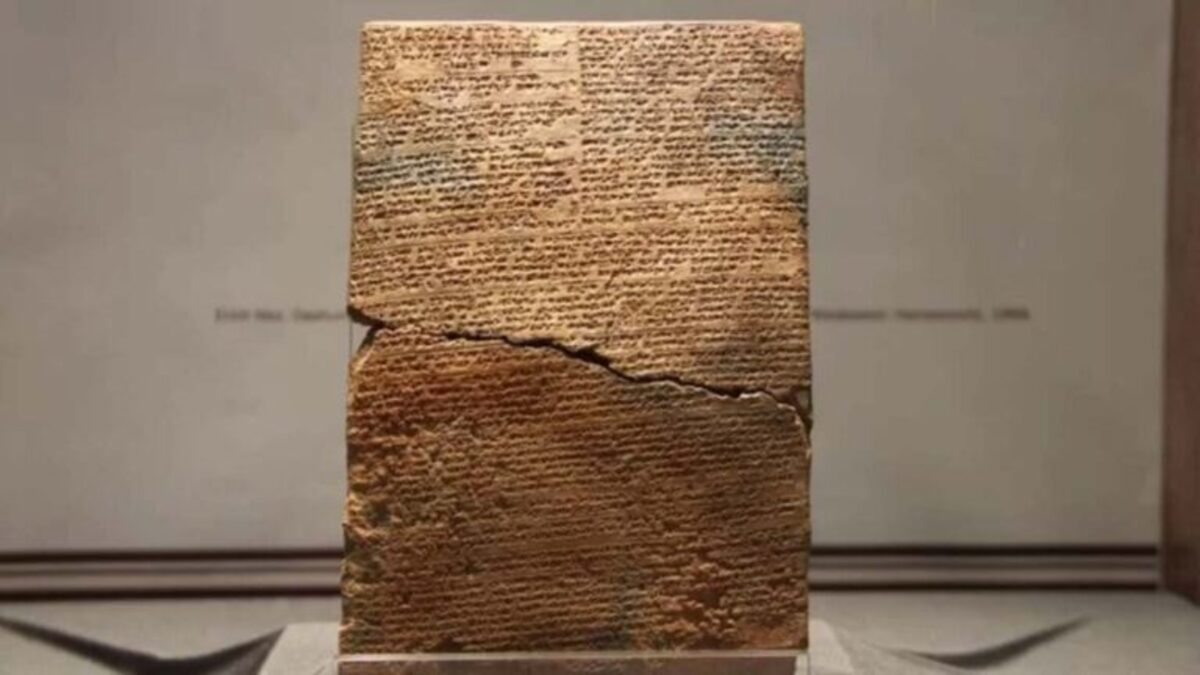
Tucked away in the central plains of modern-day Turkey, the once-mighty Hittite capital of Boğazkale-Hattuša continues to deliver historical revelations that would make even Indiana Jones do a double take. After more than a century of digging, decoding, and dusting off the past, archaeologists have stumbled upon something entirely unexpected — a previously unknown Indo-European language.
And it wasn’t found in some hidden chamber or buried beneath a collapsed temple. No, it was right there in the text — concealed in a ritual passage among nearly 30,000 ancient clay tablets, quietly waiting for someone to spot it.
One ritual, one breakthrough
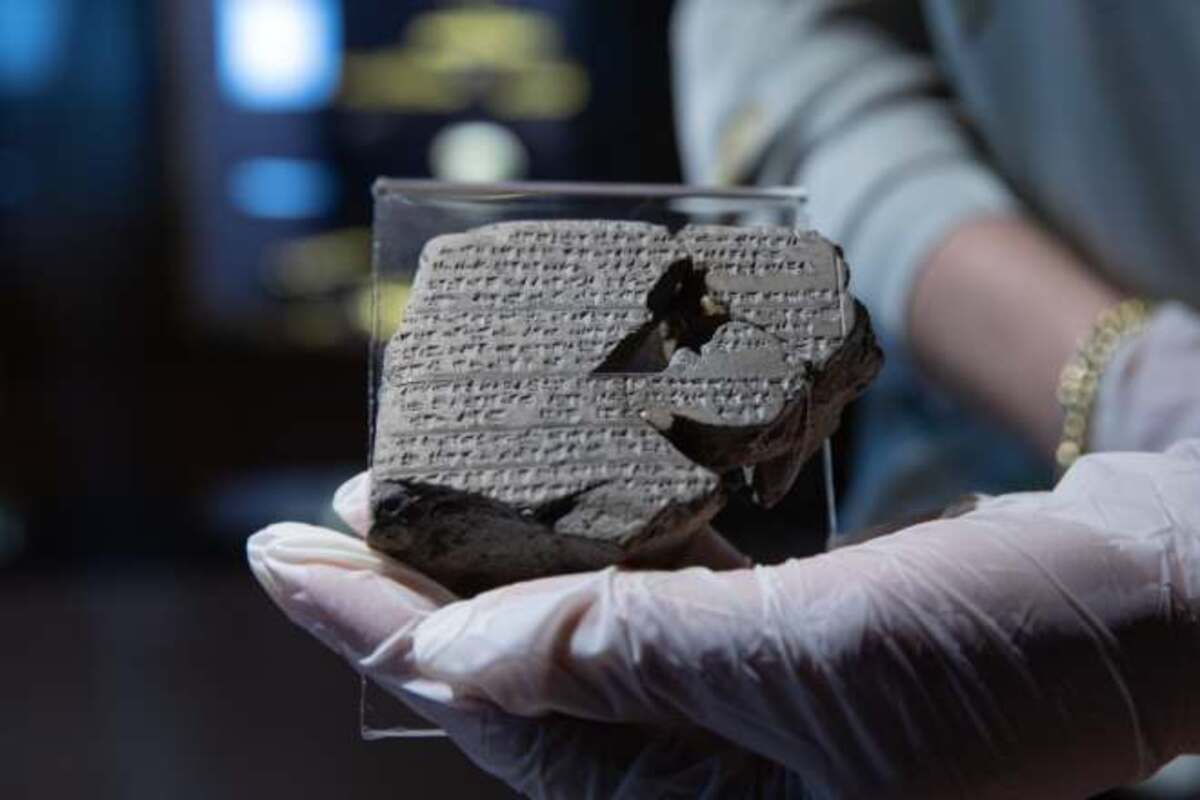
The breakthrough came during the routine analysis of ritual texts inscribed in cuneiform, the wedge-shaped writing system once used across the ancient Near East. Most of the tablets are written in Hittite-Nesite, considered the oldest known Indo-European language. But in one particular document, scholars noticed something strange — a segment that simply didn’t fit.
It wasn’t Hittite. It wasn’t Luwian. It wasn’t anything they’d seen before.
According to a statement from a German university involved in the research, the surrounding Hittite text offered just enough context to flag this anomaly as potentially groundbreaking. While the exact content of this mystery language remains unreadable for now, its presence has already reshaped assumptions about the linguistic diversity of the Hittite Empire.
Tracing the language’s roots
Where did this linguistic outlier come from? Experts believe it may have originated in Kalašma, a region believed to correspond with present-day Bolu and Gerede in Turkey. This area sat on the outer edge of Hittite control, and its inclusion in official records hints at the empire’s broader cultural integration efforts.
Some scholars have even drawn tentative links between this mystery language and Luwian, another ancient Indo-European tongue once spoken in the lands around Troy — not the Homeric city of legend, but the Bronze Age settlement that inspired it.
What this means for archaeology — and language
While it’s tempting to think of ancient tablets as dusty relics, this discovery proves just how vibrant and layered those records really are. The Hittites were known to be meticulous archivists, recording not just their own rituals but those of neighbouring cultures as well. That openness means these tablets are more than state documents — they’re snapshots of an ancient multicultural society.
And if one lost language could be hiding in plain sight, how many others might still be waiting in unexamined corners of museum storage rooms or unexcavated trenches?
This find is less about one new language and more about the potential floodgate it might open. It challenges us to rethink what we know about early human communication and the web of interactions that shaped ancient civilisation.
A history still being written
The excavation at Boğazkale is far from over, and archaeologists now have even more reason to keep decoding every last symbol in the dirt. Each line of cuneiform holds the possibility of new voices — some never heard in modern times — echoing through the silence of centuries.
As the study of these tablets continues, the ancient soil of Anatolia seems more alive than ever. Because in archaeology, as in language, the smallest discovery can rewrite the story entirely.
Similar Posts
- AI deciphers a 2000-year-old Greek scroll without opening it in a groundbreaking discovery
- 7000 years: every human today shares these ancient migrant ancestors
- Alexandre Astier Claims Kaamelott’s Dialogue Isn’t Anachronistic!
- Think you know French? Complete these 16 idioms to prove it
- At 84, Oscar Winner Stars in Terrifying True Story Film This Summer!

A passionate journalist, Iris Lennox covers social and cultural news across the U.S.