

For years, Ben Stiller was the face of comedy in Hollywood. From his breakout hits like There’s Something About Mary (1998) to the blockbuster Meet the Parents franchise, Stiller became a household name in the late ’90s and early 2000s. However, the actor recently opened up about the unexpected criticism he received during his comedic peak and how it shaped his perspective on fame, success, and the nature of his career.
Appearing on The Interview podcast, Stiller shared an anecdote that stuck with him. “I remember reading a letter in the L.A. Times where someone wrote, ‘Oh my God, stop putting Ben Stiller in comedies.’ And I thought, ‘I don’t know, I’m just here doing what I love.'” Looking back, Stiller said he now feels grateful for being part of a moment in film history, even if he didn’t fully understand the cultural phenomenon at the time. “Comedies of the 2000s had a very specific tone. There were so many great things about them that we don’t really see anymore,” he said. “I’m not sure if they could even be recreated today.”
From Sketches to Blockbusters
Stiller’s rise to stardom began not with feature films but with sketch comedy. After joining Saturday Night Live in 1989 as both a writer and performer, Stiller quickly realized the live format wasn’t for him. “I was too nervous. I didn’t enjoy performing live,” he admitted. Instead, he found his calling behind the camera, creating short films and sketches that eventually led to his own show, The Ben Stiller Show, on MTV.
Leaving SNL was a bold move for Stiller, especially as Saturday Night Live was a dream opportunity for many young comedians. But when the show’s creator, Lorne Michaels, responded to Stiller’s departure with, “Ben’s going to do what Ben’s going to do,” Stiller knew he was making the right choice. “It’s funny looking back,” Stiller said. “I don’t know where I got the courage to follow that instinct, but I’m glad I did.”
Balancing Blockbusters and Passion Projects
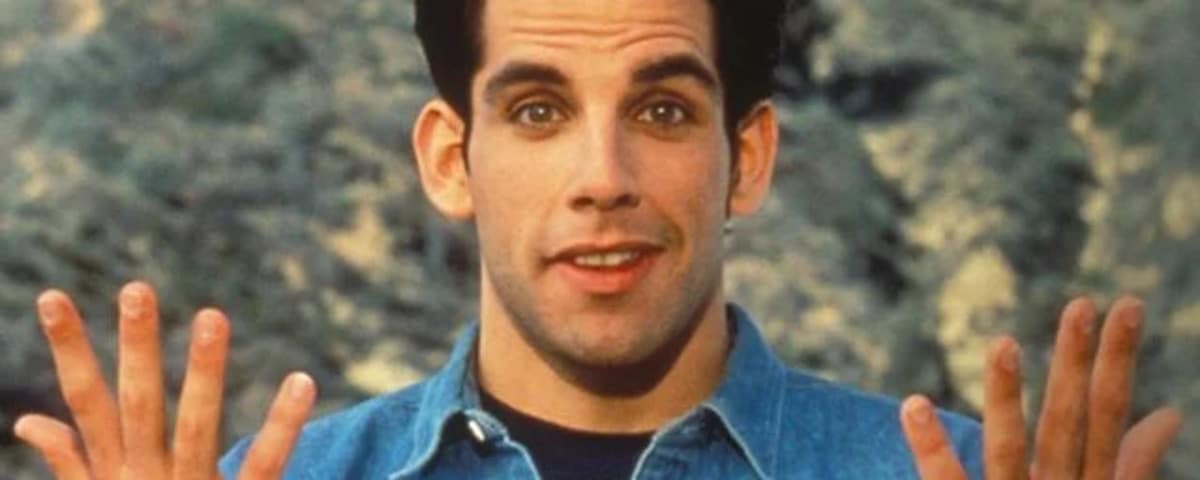
Despite his comedic success, Stiller’s motivations were often more personal than strategic. Take Night at the Museum (2006), for instance. Stiller took on the role not to launch a billion-dollar franchise but because of his own childhood memories. “I grew up near the Museum of Natural History and thought, ‘If I were a kid, I’d love this.’ Plus, it sounded like fun.”
The movie went on to gross over $1.3 billion across three films, cementing Stiller’s status as a family-friendly star. However, he admits the franchise’s commercial focus made him question whether he was spending enough time on other creative pursuits. “I loved working with Robin Williams and Shawn Levy, so I don’t regret it. But part of me always wished I had taken more time for the kinds of films I wanted to direct.”
Embracing a New Philosophy
At this stage in his career, Stiller approaches work with a sense of clarity and acceptance. “Now, it’s about asking myself, ‘Do I really want to take this chance? How much do I care about the outcome?'” he explained.
This mindset has been shaped by experience—and the inevitable ups and downs of Hollywood. “When something doesn’t go well or gets bad reviews, it’s not like your life changes. It’s just how you feel in the moment. Maybe you feel embarrassed or disappointed, but that’s part of it. Winning doesn’t happen all the time. The question is: how do you live with that?”
Looking Ahead
These days, Stiller’s focus has shifted. His directorial efforts, including the critically acclaimed Severance on Apple TV+, showcase his ability to work across genres. Season two of the show premiered on January 17, and Stiller has been busy promoting it. The series, which blends elements of thriller and sci-fi, proves that Stiller’s talents extend far beyond comedy.
While his comedic legacy remains strong, Stiller’s career now stands as a testament to growth, adaptability, and a willingness to follow his instincts—even when it meant leaving behind the expectations others placed on him.
Similar Posts
- Hollywood Icon’s Debut 40 Years Ago as a Student – Can You Guess Who?
- 26 Years Ago, Ben Stiller Rejected This Future Star for a Cult Classic 2000s Comedy Role
- Ben Stiller Reveals How a Comedy Flop 9 Years Ago Deeply Affected Him!
- Ariana Grande Joins Cult Saga in $1.13 Billion Blockbuster Deal!
- Top Sci-Fi Series Ever Hits 4.4 Rating, Becomes Most-Watched on Its Platform!

A passionate journalist, Iris Lennox covers social and cultural news across the U.S.